




What is an Automated Guided Vehicle (AGV)?
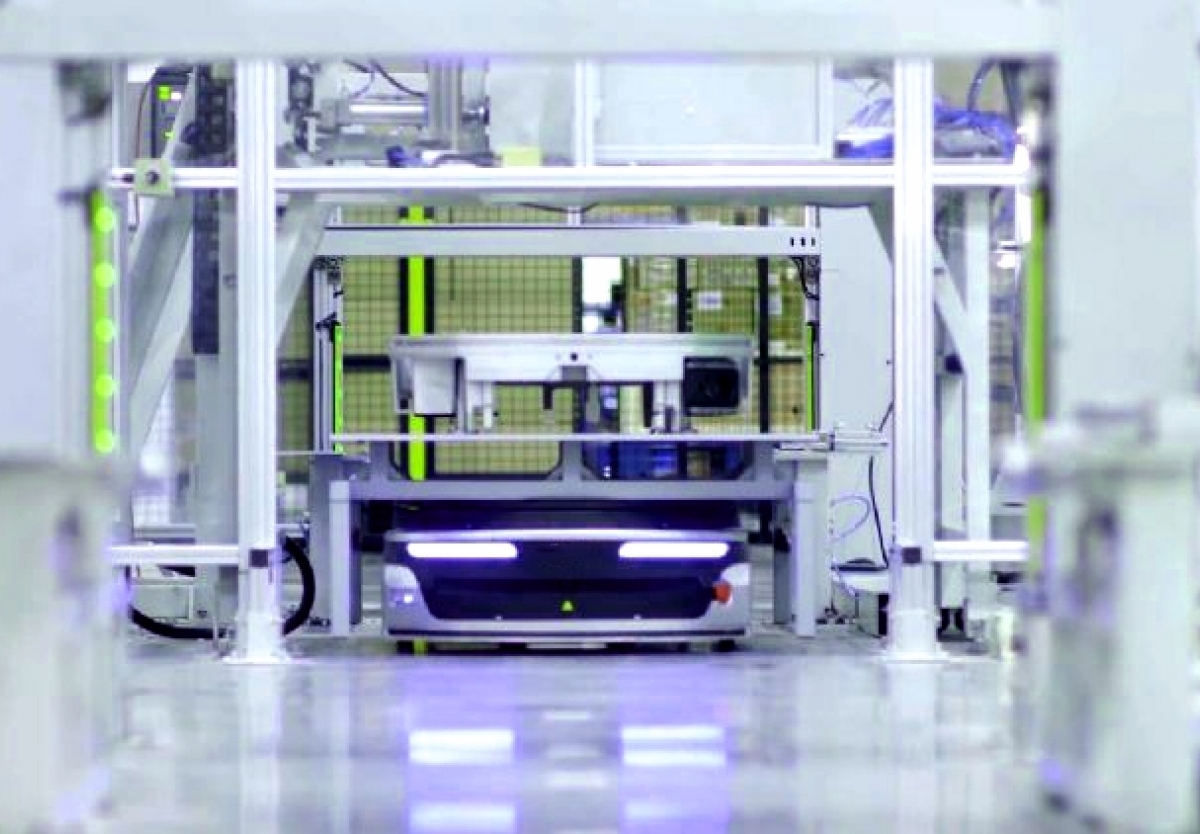
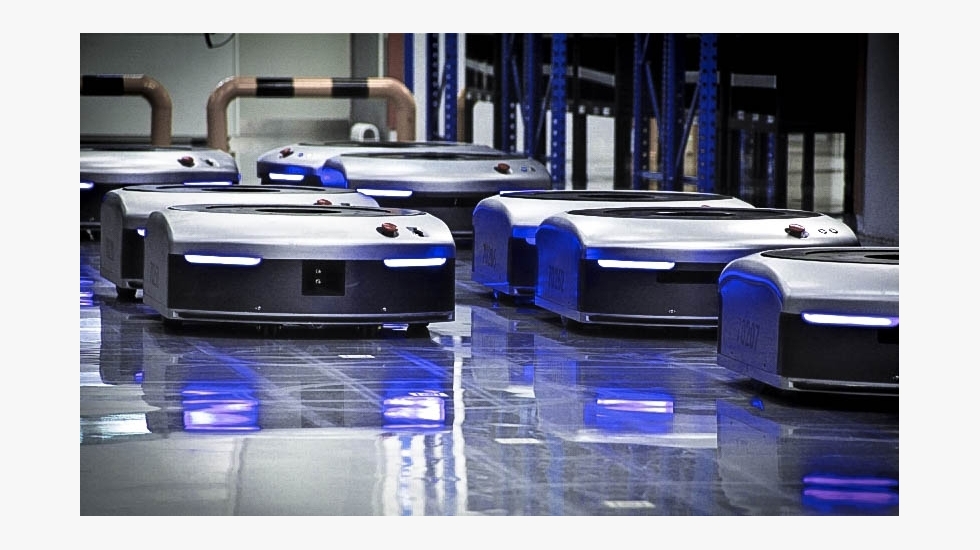
An Automated Guided Vehicle (AGV) is a transport robot equipped with autonomous navigation capabilities. It travels along pre-defined guided paths and automatically stops when obstacles are detected, ensuring the utmost safety of your cargo. By integrating robust mechanical structures, intelligent sensors, onboard controllers, and wireless communication systems, the AGV has become the go-to solution for warehouses transitioning toward material handling automation.
[For More Details, Contact Us for Free Consultation & Quote]
Key Navigation Technologies
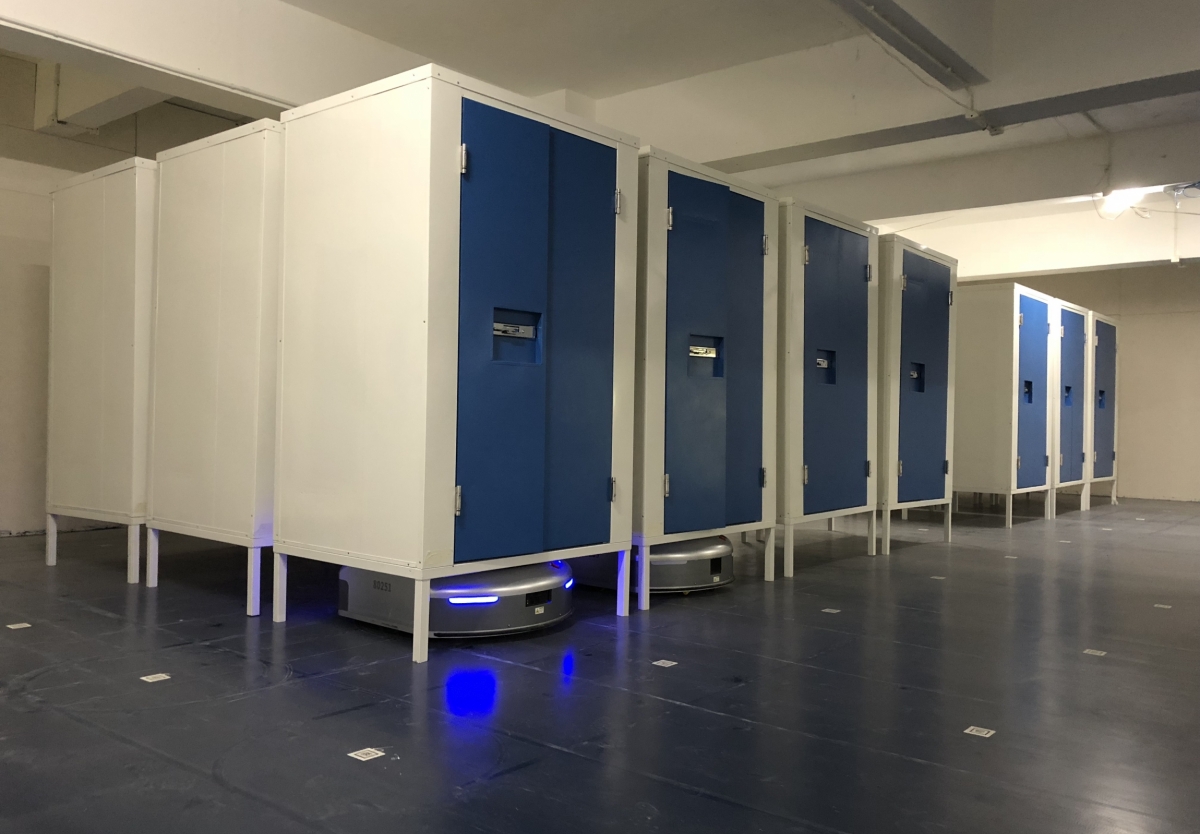
Currently, the primary navigation technologies for AGVs include magnetic tape, colored tape, and QR code navigation. Magnetic and colored tape systems utilize magnetic sensors and optical cameras on the AGV to track the path and move accordingly. Conversely, QR code navigation relies on an array of QR codes placed on the floor, allowing the AGV to precisely calculate its coordinates, position, and target direction. The major advantage of QR code navigation is its high flexibility; unlike fixed tapes, the robot can take multiple dynamic routes to reach various designated locations.
Core Advantages of AGVs
Why are global logistics and manufacturing giants heavily investing in AGV systems? The answer lies in their ability to resolve the three critical challenges of traditional material handling: efficiency, cost, and safety.
1. Maximizing Operational Efficiency AGV modules are capable of 24/7 uninterrupted operations. Compared to manually operated forklifts, AGVs maintain a consistent travel speed. This eliminates the redundant travel time common in manual handling, ensuring that cargo storage and retrieval efficiency remains at peak levels.
2. Reducing Labor and Maintenance Costs Amidst rising labor costs and manpower shortages, AGV systems offer an optimization strategy. While the initial capital expenditure may be higher than hiring manual labor, the long-term ROI is substantial — saving on recurring wages, training, and occupational health expenses. Furthermore, the entire system utilizes a modular design, allowing for the quick replacement of specific parts or robots, drastically lowering overall maintenance costs.
3. Elevating Workplace Safety Manual material handling in environments like chemical warehouses, cold storages, or food processing plants always carries inherent risks. AGVs are equipped with comprehensive safety mechanisms, including radar sensors, anti-collision bumpers, and emergency stops. If an obstacle appears in its path, the robot halts immediately, effectively reducing the rate of industrial accidents.
Applications of AGV Systems
The application of AGV systems is no longer limited to tech giants like Amazon. With mature technology, they are now perfectly suited for the following sectors:
-
Warehousing & Logistics Distribution: AGVs can handle the transportation of pallets for inbound and outbound processes, freeing up your workforce to focus on high-value tasks like project management and order arrangement. When integrated with an Automated Storage and Retrieval System (AS/RS), the entire process — from retrieving goods from high-tier racks to delivering them to the shipping zone — can be fully automated.
-
Automated Manufacturing Lines: Conveyor belts are traditional staples in production lines but require massive investments and extensive space. For SMEs looking to automate with limited space or capital, AGVs are the ideal alternative. The AGV system's scale can be adjusted based on facility size and demand, offering much greater layout flexibility than fixed conveyors.
-
Cold Chain & Pharmaceutical Logistics: In freezing environments, human efficiency drops and the risk of accidents increases. Specialized AGV modules designed for cold storage can operate stably in temperatures as low as -25°C, accelerating transport frequency while eliminating the risk of cold-stress injuries.
-
Hazardous Material Transport: Accidents during the transportation of flammable, radioactive, or hazardous chemicals can lead to catastrophic spills or fires. AGVs ensure that every transport mission is executed precisely according to safety protocols, significantly enhancing the safety of the working environment.
AGV Case Studies
StoreFriendly – Hong Kong's First "Goods-to-Person" Smart Mini Storage
Addressing Hong Kong's premium land costs and growing concerns over mini-storage fire safety, BPS Global pioneered the integration of AGV technology for StoreFriendly. Paired with a mobile app, the AGV system utilizes a "Goods-to-person" model, swiftly transporting specific storage cabinets directly to the customer. This eliminates the inconvenience of navigating narrow aisles and maximizes spatial utilization. From initial planning and design to installation and testing, our expert team successfully delivered this customized project within an aggressive two-month timeframe, showcasing the immense potential of AGV systems in space optimization and commercial returns.

AGV Systems FAQ
Q1: What is the difference between an Automated Guided Vehicle (AGV) and an Autonomous Mobile Robot (AMR)?
AGVs require physical guides like magnetic tapes or QR codes as a "track" to navigate fixed routes. In contrast, AMRs are equipped with advanced sensors for real-time navigation and can dynamically adjust their paths to bypass obstacles. AGVs are highly cost-effective for enterprises with fixed transport routes and high cargo volumes, whereas AMRs are better suited for dynamic environments requiring frequent route and destination changes. BPS Global offers both automated solutions; please contact us to find the right fit for your facility.
Q2: Do we need to modify our existing factory layout to implement an AGV system?
In most cases, massive layout overhauls are unnecessary. As long as the designated transport paths have a relatively flat surface for applying guide tapes or QR codes, and the aisles are wide enough for the robots to pass, the system can be seamlessly deployed with only minor spatial adjustments.
Q3: Do AGV robots require frequent battery replacements?
BPS Global's AGV robots are powered by industrial-grade lithium batteries and feature an "auto-charging" function. When the battery level drops below a specific threshold, the robot automatically navigates to a charging station, ensuring no disruption during transport missions. For high-intensity operations, quick battery hot-swapping is also available to further extend operational uptime.
Q4: What is the typical Return on Investment (ROI) period for an AGV system?
Based on BPS Global’s extensive project experience, factoring in the reduction of labor, management, and occupational injury costs, the ROI for most enterprises implementing an AGV system typically ranges from 1.5 to 3 years.
[For More Details, Contact Us for Free Consultation & Quote]